Trends in online learning for 2027 include AI that personalises learning, learning journeys replacing the course catalogue, learning that fits around work, practice-based formats, short video, AI coaching on demand and simpler platforms.
I get asked about trends in online learning a lot, usually around this time of year when budgets are being set. My honest answer for 2027 is that the technology is moving faster than most L&D teams can keep up with. The organisations I see doing well are using it to fix the problems they’ve had for years, like people having no time to learn and training that feels generic.
We looked at what was coming last year in our elearning trends for 2026. Some of that has played out as expected and some has moved faster. This post sticks to how people learn: the formats, the tools and the platforms. I’ve covered the bigger strategic questions, like skills data and proving impact, in a separate post on L&D trends for 2027.
Key Points:
- AI is shifting from making content to tailoring learning for each person
- Personal learning journeys are replacing the course catalogue
- Lack of time is still the biggest barrier, so learning has to fit around work
- People learn by doing, and online learning is finally catching up
- Short video is becoming the default format for workplace learning
- AI coaching gives people help at the moment they need it
- Organisations want one platform instead of five
1. AI Moves from Making Content to Personalising It
For the last couple of years, most of the excitement around AI in L&D has been about content creation, whether that’s writing a course in an afternoon or turning a policy document into a quiz.
That’s useful, but it’s also created a lot of mediocre content very quickly. In the TalentLMS 2026 L&D Report, 22% of HR managers said unreliable AI-generated training content was one of their challenges. I’m surprised it isn’t higher.
The bigger opportunity in 2027 is using AI to decide what each person should learn next. It can look at someone’s role, their gaps and what they’ve already done, then put the right thing in front of them at the right time. That’s where I expect to see the real return.
Where to put your effort
Be choosy about AI-generated content. Use it for drafts, then get a human to check it. Put more of your energy into how learning is matched to people.

2. The Course Catalogue Gives Way to Learning Journeys
Most organisations still hand people a library of hundreds of courses and hope they find something useful. They rarely do. A big catalogue feels generous, but for the learner it’s overwhelming.
What works far better is a clear path built around the individual, showing where they are now, where they need to get to and the steps in between. Learning feels relevant, it builds over time and people can see their own progress.
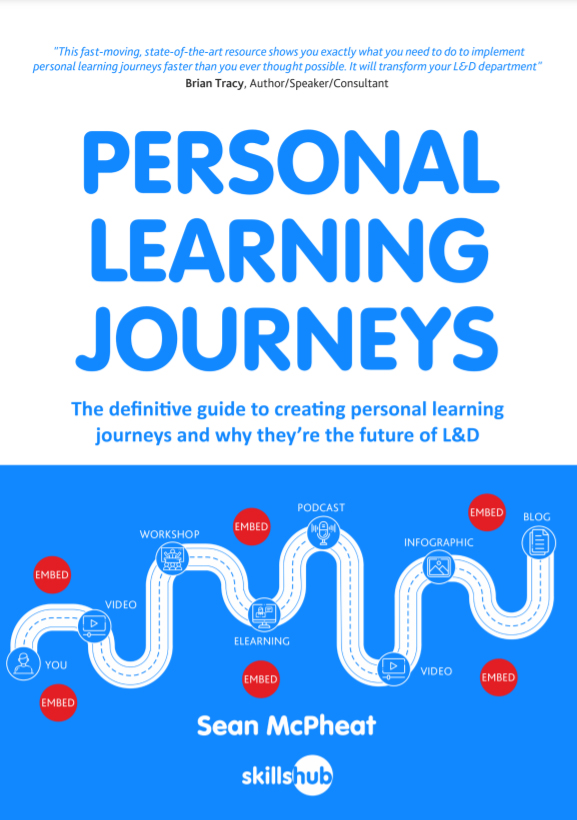
This is the thinking behind our Personal Learning Journeys. Each person gets a route through the learning that fits their role and their gaps, rather than a list of everything we’ve got.
3. Learning Has to Fit Around Work
Lack of time has been the top barrier to learning for as long as I can remember. It still is. Half of the HR managers in the TalentLMS research said heavy workloads leave little room for training, and 53% of employees agreed. The same report found 70% of employees multitask during training.
That last figure is the one that worries me. If people are half-listening to a 60-minute module while answering emails, very little of it is going in.
Make it bite-sized
The answer is short, focused learning that fits into the gaps in someone’s day, like five minutes before a difficult conversation or ten minutes on the train. Microlearning has been around for years, but in 2027 I think it will become the default for most workplace learning, with longer formats saved for the things that need them.
4. Learning by Doing Finally Goes Online
Ask people how they learn best and most of them will tell you it’s by doing the job. TalentLMS found 86% of employees say they learn by doing. Online learning has traditionally been very bad at this. Watch a video, answer some questions, and get a certificate.
That’s changing. Scenario-based learning, simulations and AI role play let people practise a difficult conversation or a tricky decision safely before they face it for real. It’s the closest online learning has come to the experience of learning on the job.
Build in practice
Look for opportunities to build practice into your online learning, especially for soft skills training. Communication, feedback and leadership skills only improve with practice, and that’s where the new formats earn their keep.
5. Short Video Becomes the Default Format
Think about the last time you needed to fix a dripping tap or find a shortcut in a spreadsheet. Chances are you watched a two-minute video and got on with your day.
Workplace learning is catching up. In 2027 I expect short, single-topic videos to become the most common format for how-to content and quick refreshers, with longer modules kept for topics that need more depth.
Keep videos short and real
Keep each video to one idea. Real people from your own business often land better than polished presenters, and subtitles matter because plenty of people watch with the sound off. It’s a good example of a learner-centred approach: content built around how people already learn.

6. AI Coaching on Demand
When someone gets stuck at work, they rarely need a full course. They need a quick answer, a nudge in the right direction or someone to practise with. AI assistants built into learning platforms can now do a lot of that, from answering questions to giving feedback on a practice conversation.
At its best, it’s like having a coach on hand whenever you need one. The risk is that it ends up doing the thinking for people, so how it’s set up matters a lot.
Choosing the right AI support
Look for AI support that asks questions and points people towards the right learning, rather than handing over answers. It builds on the same ideas as adaptive learning, adjusting the help to what each person needs. Keep a human involved for anything that really matters, especially feedback on people skills.
7. Platforms Get Simpler
A lot of organisations have built up a collection of systems over the years. An LMS for compliance, an LXP for everything else, a separate tool for video, another for assessments. Learners don’t care what any of these are called. They just want one place to go.
I expect a lot of consolidation in 2027, with organisations moving to a single online learning platform that handles the lot. If you’re weighing up your options, our guide to virtual learning environments is a good starting point.
What This Means for Your 2027 Plan
If I had to pick three things to focus on, they’d be these. Get learning to fit around people’s working day. Make it personal to each person. Give people somewhere safe to practise.
None of that needs the latest tool. It needs a clear plan and the right content. Where you can’t find what you need off the shelf, bespoke elearning development lets you build learning around your own people, processes and challenges.
Get Ready for 2027 with Skillshub
Most of these trends come back to the same idea: learning that fits the person and fits around their work. That’s what we’ve built Skillshub to do, with bite-sized resources and personal learning journeys that guide each person through the skills they need.
If you want to see how it could work in your organisation, get in touch with the team, or book a free demo.